
Pest Control · Ants
Ant Control in Omaha, NE
Ants are the #1 call Scott's Pest Control gets from Omaha homeowners — and the most misunderstood. Killing the trail you can see does nothing to the colony you can't. We treat the source so they stop coming back.
Serving Omaha, Elkhorn, Papillion, Bellevue, Gretna, La Vista, Bennington, Millard, Ralston, and Valley, NE.
Ants in Omaha
Local Ant Control That Actually Lasts
Most Omaha ant problems come from odorous house ants (the ones that smell faintly of rotten coconut when crushed), pavement ants along driveways and slabs, and — the costly one — carpenter ants that tunnel into moist or damaged wood. Each species responds to a different approach, which is why store-bought sprays so often fail: they scatter the colony and make it split instead of die.
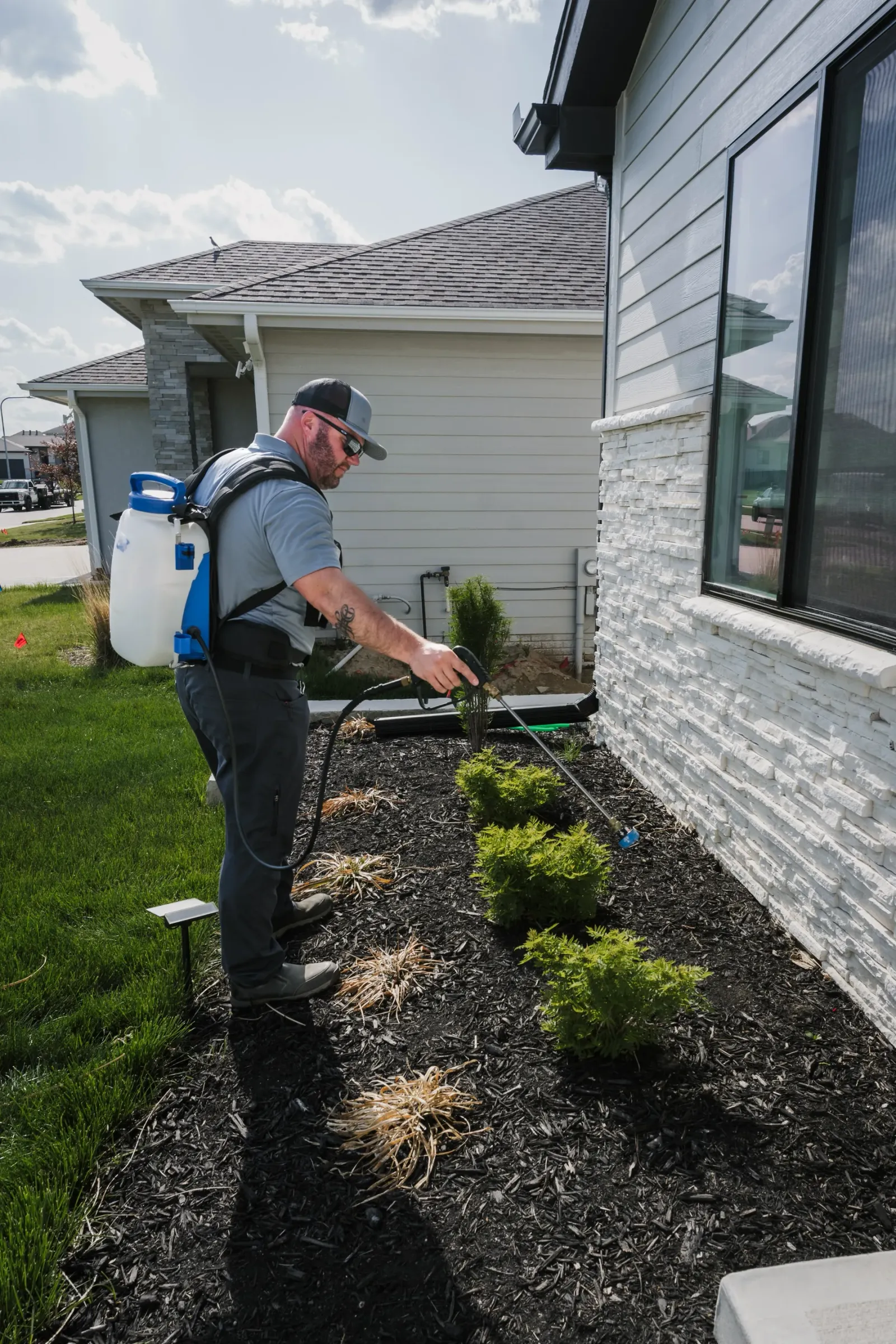
Ants push indoors hardest in spring when snowmelt and rain drive them up out of the soil, and again in late summer heat when they hunt for water. Scott's identifies the species, follows the trails to entry points, and uses targeted baiting and an exterior barrier so the whole colony is eliminated — not just the scouts on your counter.
- Spring snowmelt and rain drive ants up from the soil and into Omaha homes.
- Mulch beds, irrigation, and foundation cracks create ideal ant highways.
- Carpenter ants target moisture-damaged wood around gutters, decks, and windows.
- DIY sprays often cause colonies to split and spread instead of dying.
Warning Signs
Signs You Have a Ant Problem
Catching ants early makes control faster and easier. Watch for these.
Trails Indoors
Steady lines of ants along counters, baseboards, window sills, and around sinks — usually toward water or sweets.
Activity in Mulch & Foundations
Ant hills and traffic around foundation cracks, driveways, patios, and mulch beds against the home.
Frass or Wood Shavings
Small piles of sawdust-like debris can signal carpenter ants tunneling in framing, trim, or damp wood.
Winged Swarmers
Flying ants near windows or lights in spring can mean an established colony nearby.
How We Treat Ants
Scott's Ant Control Process
Identify the Species
Odorous house, pavement, and carpenter ants each need a different plan — we confirm what you have before treating.
Follow the Trails
We track activity to entry points around foundations, windows, utility lines, and landscaping.
Bait the Colony
Targeted baits are carried back to the nest so the queen and colony are eliminated — not just the visible ants.
Barrier & Prevent
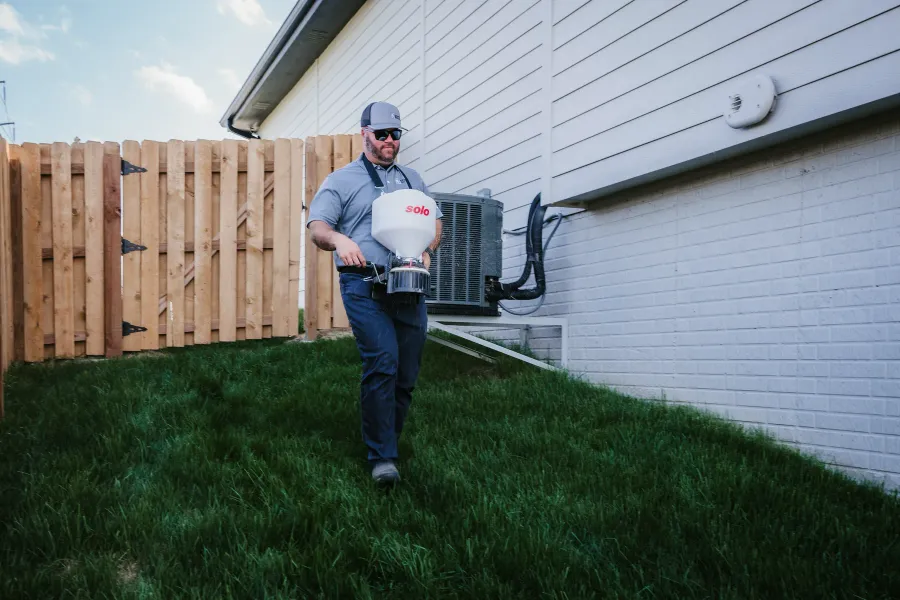
An exterior barrier plus entry-point and moisture guidance keeps new colonies from moving in.
Request Service
Get Rid of Ants for Good
Tell Scott's what you're seeing and we'll follow up with the right plan for your Omaha-area home or business.
Request received — thank you!
Your request just landed with Scott’s Pest Control. We’ll review the details and follow up soon using your preferred contact method. A confirmation email is on its way to your inbox.
Need help right now? Call (402) 650-8460.
More Pest Control
Dealing With Other Pests Too?
Scott's Pest Control handles the full range of Omaha pests.
Ant Control FAQ
Common Questions About Ants
Why do ants keep coming back after I spray them?
Surface sprays only kill the foragers you see while the colony and queen stay hidden — and some ant species respond by splitting into multiple colonies. Lasting control comes from baiting that reaches the nest plus an exterior barrier, which is how we treat ants in Omaha.
Are carpenter ants as damaging as termites?
Carpenter ants don't eat wood like termites, but they tunnel through moist or damaged wood to nest, and over time that weakens the framing they're in. Because they target moisture, finding them often means finding a hidden leak or damp area too — we check for both.
How long until the ants are gone?
You may see a short uptick as baits draw ants out, then a steady decline over one to two weeks as the colony consumes the bait. Recurring exterior service keeps new colonies from re-establishing.
Go Pest Free
Ready to Get Rid of Ants in Omaha?
Tell Scott's Pest Control what you're seeing and get a clear plan to eliminate ants — and keep them gone.