
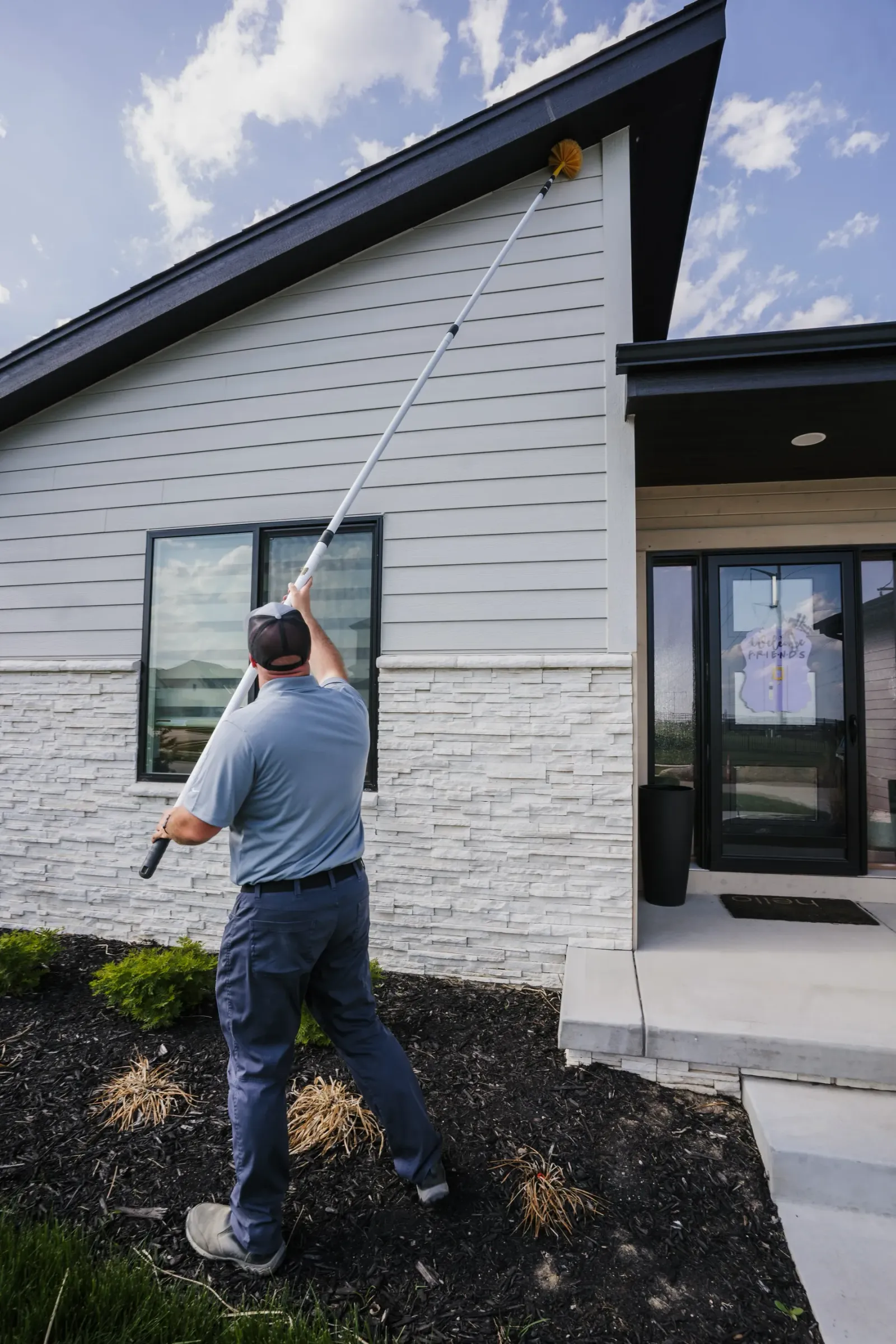
Termite Prevention in Omaha, NE
Termite Control That Protects Your Omaha Property
Termites can quietly damage wood, framing, and structural materials before you ever see the problem. Scott's Pest Control helps you identify warning signs, understand treatment options, and request local termite service with clear next steps.
Termite Warning Signs
How to Know If You May Need Termite Service
If you notice any of these signs, it's smart to request a termite inspection instead of waiting for visible damage to spread.
Mud Tubes
Thin, soil-colored tunnels on foundations, basement walls, crawl spaces, piers, or exterior surfaces can signal subterranean termite movement.
Swarmers or Discarded Wings
Winged termites near windows, doors, lights, or floor edges can indicate a nearby colony or mature termite activity.
Soft, Hollow, or Blistered Wood
Wood that sounds hollow, feels soft, bubbles, or breaks apart easily deserves a closer look.
Moisture & Wood-to-Soil Contact
Leaking gutters, damp crawl spaces, mulch against siding, firewood, and soil contact can create termite-friendly conditions.
Request a Termite Inspection
Send a Termite Service Request Now
Found a possible termite sign, buying or selling a home, or want prevention before damage starts? Tell Scott's Pest Control what you're seeing.
Request received — thank you!
Your request just landed with Scott’s Pest Control. We’ll review the details and follow up soon using your preferred contact method. A confirmation email is on its way to your inbox.
Need help right now? Call (402) 650-8460.
Omaha Termite Pressure
Why Termite Prevention Matters in the Omaha Area
Subterranean termites live in soil and search for moisture, cellulose, and protected access into structures. A small gap, crack, utility opening, damp crawl space, or wood-to-soil contact can become a pathway.
- Foundation edges, expansion joints, porch slabs, and garage transitions can hide activity.
- Mulch, grade issues, firewood, and moisture can increase risk around the home.
- Basements and crawl spaces should be checked carefully when termite signs appear.
- Early inspection can prevent small concerns from becoming expensive repairs.
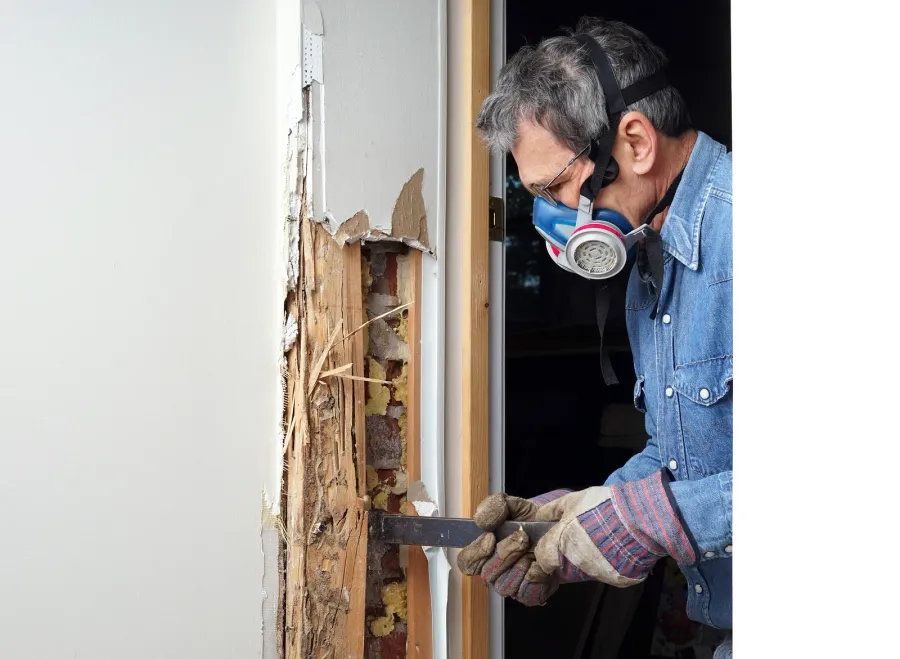
Treatment & Prevention Options
Termite Solutions Matched to the Property
Every termite concern is different. We review the property and explain options that fit your structure.
Termite Inspection
A detailed look at visible activity, entry points, moisture concerns, wood conditions, and common termite access areas.
Liquid Treatment Options
Where appropriate, liquid treatments may help create targeted protection around structural areas and termite pathways.
Baiting Recommendations
Baiting systems may be recommended for monitoring, colony pressure, or property-specific termite management needs.
Prevention Planning
Reduce conducive conditions with guidance around moisture, mulch, grade, storage, wood debris, and exterior maintenance.
Local Service Area
Termite Service for Omaha and Nearby Communities
Local termite inspections, prevention, and pest control from a team that understands Nebraska pest pressure.
Termite FAQ
Common Questions About Termites in Omaha
What are the first signs of termites?
Common early signs include mud tubes, discarded wings, swarmers, soft wood, blistered paint, damaged trim, and hollow-sounding wood around moisture-prone areas.
Do termites live in Nebraska?
Yes. Subterranean termites can affect homes and businesses in the Omaha area. Soil contact, moisture, wood debris, and foundation openings can increase risk.
Do I need a termite inspection before treatment?
Yes. An inspection helps identify whether termite activity is present, where risk conditions exist, and which treatment or prevention path fits the property.
Can I treat termites myself?
DIY products often miss hidden entry points and colony activity. Professional inspection and treatment planning can reduce the risk of incomplete control.
How fast can termites damage a home?
Damage depends on colony size, access, moisture, and how long activity has been present. Because termites can work out of sight, quick inspection matters.
Can termite prevention help if I have not seen damage?
Yes. Prevention and monitoring can be valuable for properties with moisture concerns, crawl spaces, wood-to-soil contact, previous termite history, or real estate needs.
Protect Your Property
Ready to Request Termite Service in Omaha?
Don't wait for termite damage to become obvious. Send a termite service request today or call to talk through what you're seeing.